
You’ve put time, money, and patience into your smile, and now your retainer is gone. Whether it slipped out at a restaurant, got tossed with the lunch tray, or simply broke after years of faithful service, the question hits fast: what happens next when you’ve lost a retainer and orthodontic relapse becomes a real concern?
Orthodontic relapse is real, and it can start sooner than most people expect. The good news is that acting quickly makes all the difference. Let’s walk through exactly what happens when teeth start shifting and what you can do about it, from the early warning signs to your replacement options.

What Is Orthodontic Relapse?
Orthodontic relapse is when teeth gradually drift back toward their original, pre-treatment positions after braces or Invisalign treatment ends. The most common cause is a lost, broken, or neglected retainer, and shifting can begin within days. Think of it as your teeth trying to return “home,” even when that home was crowded, crooked, or misaligned.
Your retainer isn’t just an accessory. It’s the final piece of your treatment. Without it, the same biological forces that allowed your teeth to move during treatment will start working against your results. At Varallo Orthodontics, we see this happen often enough that we treat retention as the most important phase of care, not an afterthought.
Relapse can begin within days of skipping your retainer. Sometimes the changes are subtle: a slight overlap, a small gap reopening. Other times, the shifting becomes obvious within weeks. Minor movement might just need a new retainer. Significant relapse could mean starting treatment again.
The distinction matters because catching relapse early gives you more options and saves you from repeating months of orthodontic work. For families who’ve already invested in a beautiful smile, that early action can be the difference between a simple replacement and a much longer process.
How Quickly Do Teeth Shift After Losing a Retainer?
Teeth can begin shifting within 24-72 hours of losing a retainer, with visible movement possible in 1-2 weeks. Here’s why it happens so fast: your teeth aren’t anchored in concrete. They’re held in place by periodontal ligaments, elastic fibers that connect each tooth root to the surrounding bone. These ligaments have memory, and they’ll nudge your teeth back toward their old positions if given the chance.
Here’s what typically happens after losing a retainer:
First 24-72 hours: Minor shifting begins. You probably won’t notice anything yet, but the process has started.
1-2 weeks without a retainer: Visible movement becomes possible. Your old retainer might feel tight or stop fitting properly.
1-3 months: Noticeable changes occur. Gaps may reopen. Crowding returns. Your bite might feel different.
6+ months: Full relapse becomes likely. At this point, a simple retainer replacement won’t be enough, and you may need active treatment again.
Bone remodeling is what eventually locks teeth into their new positions, and it takes time. During the first year after treatment, your teeth are especially vulnerable. Even years later, some shifting risk remains without consistent retainer wear.
There’s also a practical difference between a broken retainer and a lost one. A cracked Hawley retainer or a clear retainer with a small tear might still work temporarily while you arrange a replacement. A completely lost retainer means zero protection starting immediately.
Common early warning signs include:
- Teeth feeling “off” when you bite down
- Visible gaps that were previously closed
- Front teeth overlapping or rotating
- Difficulty flossing in spots that were easy before
Why Replacing Your Retainer Quickly Matters
Speed matters here. Every day without a retainer is a day your teeth can shift, and the longer you wait, the more complicated things tend to get.
Protecting your investment: Braces and Invisalign represent real time and money for your family. A replacement retainer costs a fraction of what re-treatment would.
Avoiding repeat treatment: Minor shifting caught early might just need a new retainer. Wait too long, and you could be looking at another round of aligners or braces.
Maintaining bite function: Your teeth work as a system. When they shift, your bite changes. That affects how you chew and can lead to jaw discomfort over time.
Preventing long-term damage: Misaligned teeth wear unevenly. They’re harder to clean properly. Gum health can suffer, and these small problems tend to build up.
Keeping costs down: A replacement retainer is straightforward. Correcting months of relapse is not. The math is simple: act fast and spend less.
According to the American Association of Orthodontists, retainers should be considered a lifetime commitment for maintaining orthodontic results. That’s not an exaggeration. It’s just how teeth work.
Retainer Options Compared: Hawley, Clear, and Fixed
When you need a replacement, you’ll have choices. Each retainer type has distinct advantages, and an orthodontic specialist like Dr. Varallo can help you weigh which one fits your lifestyle and your relapse risk.
| Feature | Hawley Retainer | Clear Retainer | Fixed Retainer |
|---|---|---|---|
| Visibility | Metal wire visible | Nearly invisible | Hidden behind teeth |
| Durability | 5-10 years with care | 1-3 years typical | Can last many years |
| Adjustability | Can be adjusted | Cannot be adjusted | Requires professional adjustment |
| Compliance needed | Yes (removable) | Yes (removable) | No (permanent) |
| Best for | Long-term retention | Aesthetics-focused families | High-relapse-risk cases |
Hawley Retainers
Hawley retainers feature an acrylic plate with a metal wire across the front teeth. They’re durable, adjustable, and time-tested. The wire shows when you smile, which bothers some people. Others appreciate being able to take them out easily.
Clear Retainers
For families who prioritize a discreet look, clear retainers (like Essix or Vivera) resemble Invisalign trays. They fit snugly over your teeth and are nearly invisible. Most families find them comfortable. They wear out faster than Hawley retainers and can’t be adjusted if teeth shift slightly. If you originally finished with Invisalign treatment, a clear retainer often feels like a familiar continuation.
Fixed Retainers
Fixed retainers are thin wires bonded permanently behind your front teeth. You never have to remember to wear them since they’re always working. The trade-off is that flossing requires extra effort, and the wire can break if you bite into something hard.

What Affects the Cost of Retainer Replacement and Relapse Treatment
Several factors influence what you’ll pay to restore your smile.
Retainer type: Clear retainers and Hawley retainers have different price points. Fixed retainers involve bonding time and materials.
New records needed: If your teeth have shifted, your orthodontic specialist may need updated digital scans or impressions to create an accurate replacement. Modern intraoral scanners make this quick and comfortable.
Single vs. both arches: Replacing just your upper retainer costs less than replacing both upper and lower.
Severity of relapse: This is the big variable. A simple replacement when teeth haven’t moved much is typically a fraction of original treatment cost. Correcting noticeable shifting with refinement aligners or short-course Invisalign adds to the investment. Full re-treatment for severe relapse costs considerably more.
Insurance and warranties: Some orthodontic treatment plans include retainer replacement coverage for a certain period. Dental insurance may cover part of the cost. Check your original treatment agreement and current insurance benefits.
Many practices, including Varallo Orthodontics, offer 0% financing to make retainer replacement and any necessary follow-up care accessible. A free consult is the easiest way to get clear numbers for your situation.
Who Needs a New Retainer vs. Relapse Treatment?
Not everyone who loses a retainer needs braces again. Here’s how to think about your situation:
Simple replacement candidates:
- Lost your retainer recently (within days)
- No visible or noticeable tooth movement
- Old retainer still fits if found
- Teeth feel normal when biting
Refinement candidates:
- Minor shifting has occurred
- Old retainer no longer fits properly
- Small gaps or slight crowding visible
- Been without a retainer for a few weeks to a couple months
- Bite still feels mostly normal
Re-treatment candidates:
- Significant visible relapse
- Multiple teeth have moved noticeably
- Bite feels different than it used to
Families with bonded retainer issues fall into a special category. If your fixed retainer has broken or detached, you need prompt evaluation. A partially bonded wire can actually cause problems by holding some teeth while others shift.
If you’ve been a long-time non-wearer, someone who stopped wearing their retainer years ago, the best first step is a thorough exam. Dr. Varallo, an orthodontic specialist with 25+ years of experience, can assess exactly where things stand and discuss realistic options to help restore your smile.
Frequently Asked Questions
How long can I go without wearing my retainer?
Even a few days without your retainer allows teeth to begin shifting. The longer you wait, the more movement occurs. If you’ve missed a night or two, your retainer might feel tight but should still fit. Missing weeks or months creates real problems. There’s no universal “safe” timeframe because everyone’s teeth have different relapse tendencies.
Will my old retainer still fit if my teeth have shifted?
Maybe. If shifting is minimal, your old retainer might feel snug but still work. Forcing a retainer onto significantly shifted teeth isn’t recommended. It can damage the retainer or cause discomfort without actually correcting the movement. If your retainer doesn’t seat fully or causes soreness, schedule an evaluation rather than forcing it.
How much does a replacement retainer cost?
Costs vary based on retainer type and whether new scans are needed, but a replacement is typically a small fraction of your original treatment cost, often a few hundred dollars per arch rather than thousands. A free consult can give you exact pricing for your situation, and most offices will discuss 0% financing if helpful.
Can Invisalign correct orthodontic relapse?
Yes. Invisalign is often a great option for correcting relapse. Many families who had traditional braces originally choose Invisalign for relapse correction because of the convenience and aesthetics. An experienced orthodontic specialist can determine whether a short series of aligners would work for your situation. Families across Arlington and Burlington often choose this route because it blends in with daily life.
What should I do immediately after losing my retainer?
First, check everywhere: retainer cases, pockets, bags, the restaurant you just left. If it’s truly gone, call your orthodontic specialist right away. The sooner you start the replacement process, the less likely you’ll experience noticeable shifting. If you have an old backup retainer, try wearing it in the meantime. Patients in the Arlington and Burlington areas can typically be seen quickly for retainer emergencies at Varallo Orthodontics.
How do I prevent losing or damaging my retainer again?
Always store your retainer in its case when not in your mouth. Never wrap it in a napkin (the number one way retainers end up in the trash). Keep the case in the same spot, whether that’s your bathroom counter, your bag, or wherever you’ll remember. Clean your retainer regularly but gently. Consider keeping a backup retainer at home in case something happens to your primary one.
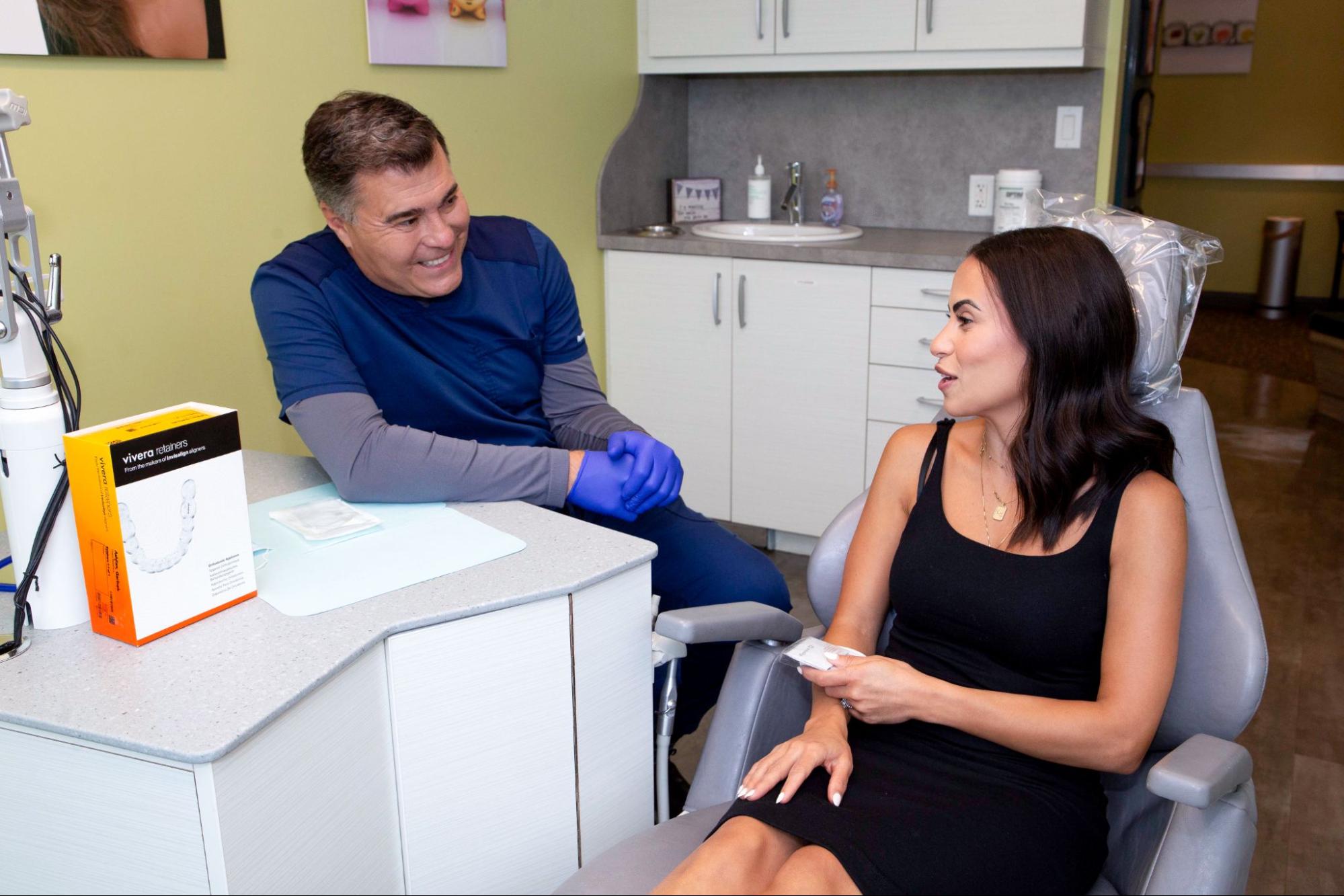
Losing a retainer feels frustrating, but it doesn’t have to mean losing your smile. The key is acting quickly and getting professional guidance on next steps from a trusted orthodontic specialist. Dr. Daniel Varallo and the team at Varallo Orthodontics have been making you smile for 25+ years, serving families at our Arlington and Burlington offices. Whether you need a simple replacement retainer or treatment for relapse that’s already occurred, a free consult is a low-pressure way to learn your options. Contact us to get started.