
If you are mapping out your orthodontic treatment timeline with Varallo Orthodontics, you want specifics that help you plan real life around school, work, sports, and everything in between. Dr. Varallo treats patients in two convenient locations, near Arlington High School and along Cambridge Street in Burlington, with options that include Damon metal and clear braces, Invisalign for all ages, and personalized retention.
Free and virtual consultations make getting started easier for busy families.
A Step-by-Step Orthodontic Treatment Timeline
It’s helpful to know how treatment unfolds. The steps below explain what happens at each visit, typical time ranges, and the small habits that keep your orthodontic treatment timeline on track.
Step 1: Consultation And Records
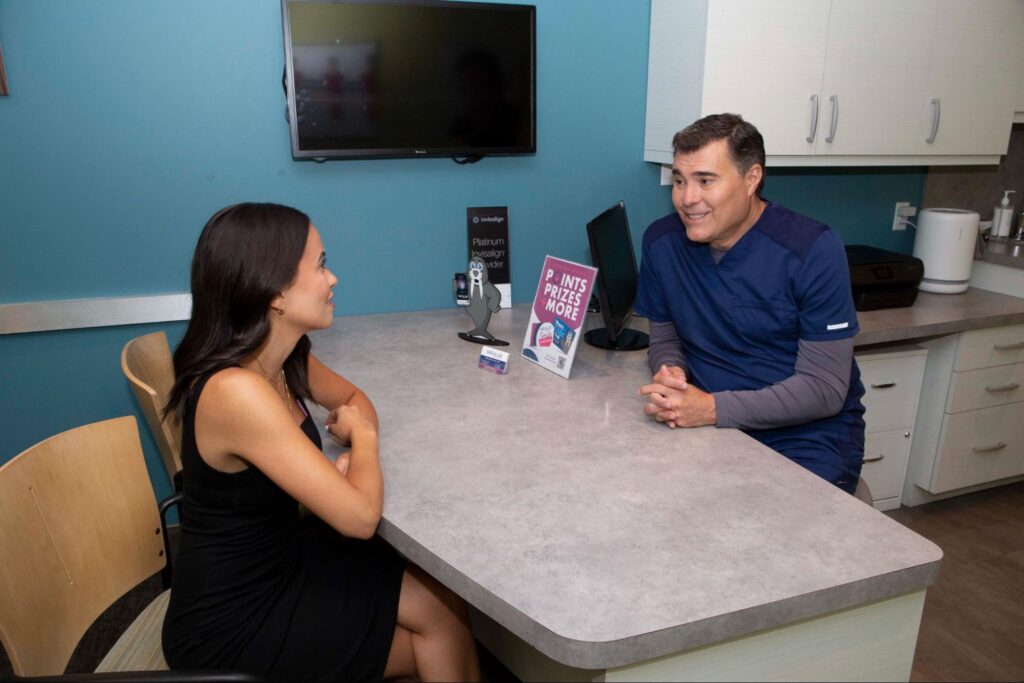
Your first visit focuses on clarity. We talk through goals, take photos and a digital scan, review medical and dental history, and explain treatment paths with estimated ranges for time and cost. Many patients schedule this as a free consult, and some choose a virtual consult first, which is helpful if you are juggling after-school activities at Arlington High or a commute along I-95.
What You’ll Leave With
A short overview of recommended treatment, an initial time estimate, and a financial game plan. If you need a cleaning, fillings, or a referral for extractions, we coordinate with your dentist so the clinical start stays on track.
Step 2: Your Custom Plan And “Day One”
After the records are complete, we finalize your plan and schedule your “bonding day” for braces or the first aligner delivery for Invisalign. Plan to be in the chair a little longer during this appointment. Soreness is normal during the first week. Stock the kitchen with soft foods like yogurt and pasta, then set two reminders in your phone, one for nighttime hygiene and one for elastics or aligner wear.
Braces Start
Brackets are placed, and a starting wire is secured. You receive a kit with orthodontic wax, proxy brushes, and elastic wear instructions if needed.
Invisalign Start
You try in the first set of aligners, learn insertion and removal, and practice with chewies. Aligner attachments may be placed on certain teeth to improve movement.
Step 3: Months 1–3, Settling In
This is the “new routine” phase. Expect a few small comfort adjustments as cheeks and lips adapt to braces, or as you learn to remove aligners at school or work without rushing.
Keep a small travel kit in your bag, such as a brush, floss threaders or picks, proxy brush, aligner case, or wax. A quick mirror check prevents plaque or staining around brackets and helps aligner trays seat correctly.
Appointment Rhythm
Most braces patients see us every few weeks for wire progressions and checks. Invisalign patients change trays at home, then check in at longer intervals for monitoring and refinements. These touchpoints let us confirm that teeth are tracking as planned and keep your orthodontic treatment timeline moving.
Step 4: Months 4–12, Steady Progress
Teeth are moving, habits are set, and we start chasing details. This is where consistent elastic wear makes a visible difference in bite correction.
If you want to shorten chair time or reduce the number of visits, ask about accelerated options, such as high-frequency vibration devices or other orthodontist-guided add-ons, to see whether they are appropriate for your case. You still need to wear elastics and follow hygiene instructions, since any accelerator enhances biology but does not replace routine.
What Helps You Stay On Time
Varallo Orthodontics suggests these tips to stay on track:
- Wear aligners 20 to 22 hours daily and seat them fully with chewies. Missing hours adds weeks.
- Replace lost aligners quickly. Call us right away so we can issue a replacement or advise you to step back to the previous tray.
- Protect brackets during sports with a mouthguard, and avoid very hard or sticky foods that can break hardware.
- Keep regular cleanings with your dentist. Inflammation slows movement and increases the chance of decalcification.
Step 5: Months 12–24, Finishing And Detailing
The last miles feel slow because changes are measured in millimeters, not moments. This is where we refine midlines, torque, and bite contacts. Invisalign patients often receive a short refinement series. Braces patients may see lighter wires and strategic bends that dial in final positions. Time in this phase depends on how closely elastics are worn and whether any brackets detach.
Typical Treatment Ranges
Averages are only a guide. Aligners commonly run 12 to 18 months for mild to moderate cases, and comprehensive braces often fall in the 18 to 24 month range, with complex corrections sometimes longer. Precision, not speed, protects your long-term result.
Step 6: Debond Or Final Aligner Delivery
If you are in braces, we remove the brackets and take a new scan for retainers. If you are in aligners, you may complete treatment with the last pair used for scanning and immediate retainer planning.
What Happens That Day
You receive clear instructions for retainer wear, a case, and a reminder to bring retainers to future hygiene visits so your dentist can check them, too.
Step 7: Retainers And Long-Term Maintenance
Retention lasts a lifetime because teeth and the surrounding tissues are constantly shifting under daily pressure. Your retainer plan is tailored to you, starting with full-time wear for a short period and then transitioning to nighttime wear.
When patients ask how long retainers are needed, the answer is that they are part of your smile for life. Just like brushing and flossing, wearing retainers consistently is the only way to maintain stable results. The American Association of Orthodontists reinforces this by explaining that teeth can shift at any age, which is why long-term use is essential.
Retainer Tips
- Always use the case. Napkins and backpacks are where retainers disappear.
- Keep retainers away from heat, including car dashboards and dishwashers.
- Brush retainers gently with a soft brush, then rinse.
- Call us if a fixed retainer feels loose or a clear retainer cracks. Small fixes now prevent tooth movement later
How Timelines Differ for Kids, Teens, And Adults
Early evaluations around age seven let us monitor growth and step in only when the timing is right. Many children do not need treatment yet, while a small percentage benefit from interceptive care to guide growth or create space.
Teens often complete comprehensive care during middle and high school, and adults can be successfully treated at any age with careful planning around gum health and restorations. The AAO recommends a first checkup by age seven, which helps us plan smarter and sometimes shorter care.
What Can Speed Up Or Slow Down Your Orthodontic Treatment Timeline
You control more than you might think, and a few habits have an outsized impact.
Choices That Keep Things Moving
- Wearing aligners for the prescribed hours and elastics as directed
- Excellent brushing and flossing, plus fluoride or prescription paste if recommended
- Keeping appointments, including quick “progress checks” when we request them
- Telling us right away about a poking wire, loose bracket, or lost tray
Things That Add Time
- Missed appointments or delaying recommended dental work
- Inconsistent elastic or aligner wear
- Poor hygiene causes swollen gums or decalcification
- Frequent bracket breaks from hard or sticky foods
Plan Your Orthodontic Timeline With Dr. Varallo
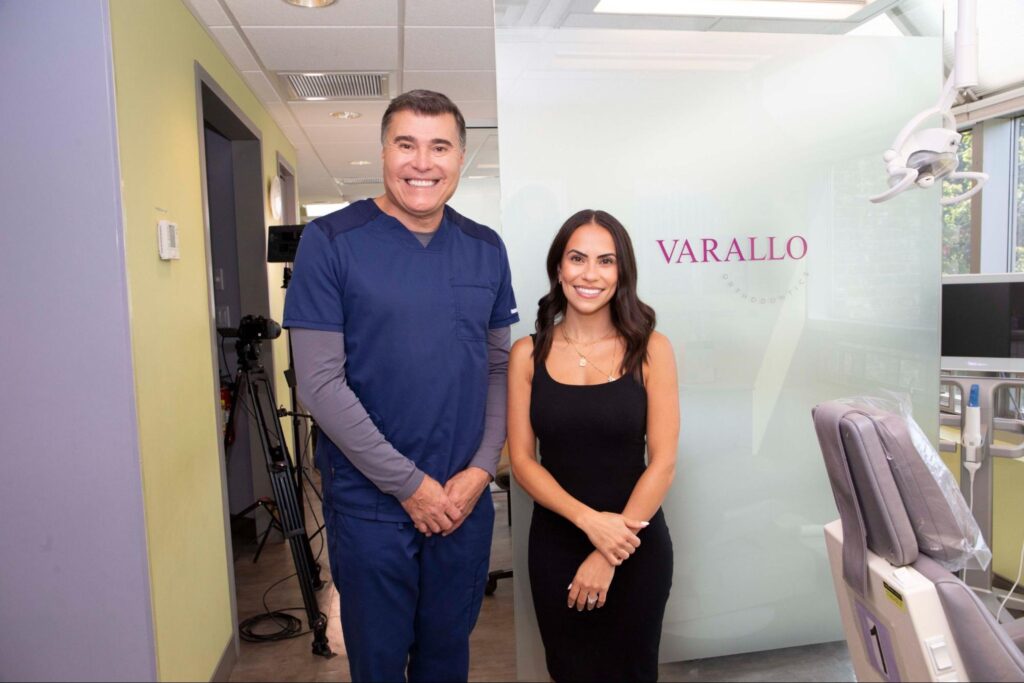
Schedule a free consultation in Arlington or Burlington to compare braces and Invisalign with a precise orthodontic treatment timeline, clear costs, and a visit schedule that fits school, work, and sports.
Bring your questions and your calendar with you to Varallo Orthodontics. We will build an evidence-based plan, explain each step, and help you book at the location that works best for you.